
If I could turn back time, if I could find a way… I’d replay the Medieval Mishap all over again! Let’s talk about this amazing at-home mystery game!
Note: This is a spoiler-light review. We discuss the story set-up, some gameplay aspects, and share photos of some components, but we don’t reveal any specific puzzles or solutions.
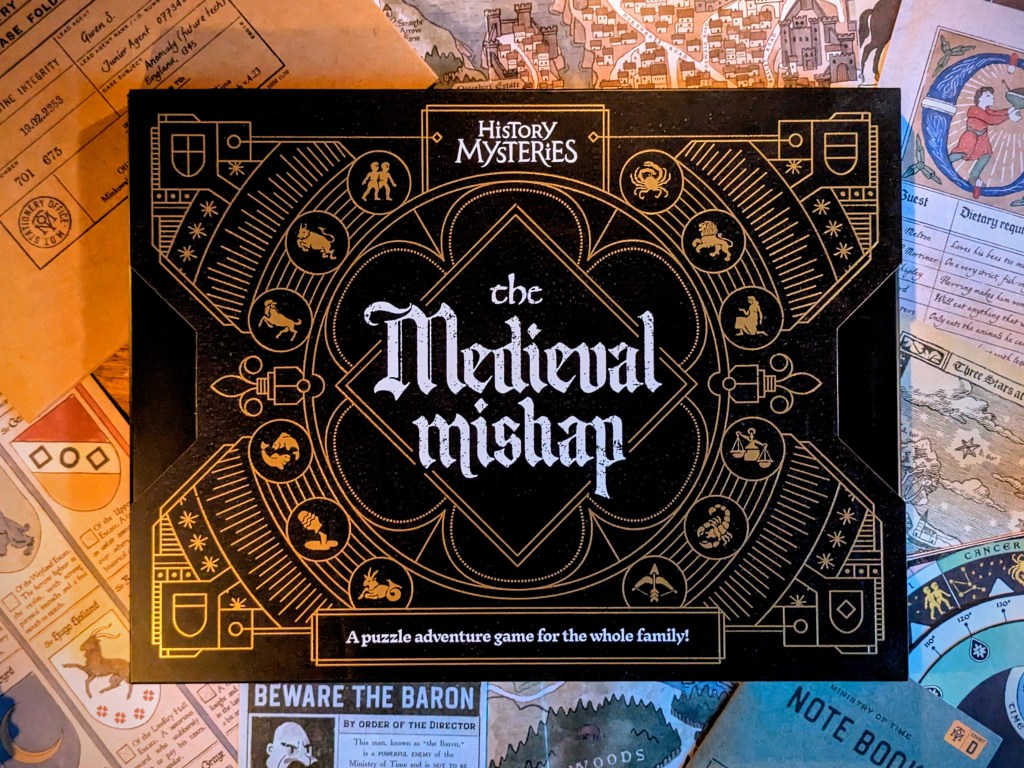
Key stats
1 to 5 players | 1 to 2 hours | 8+ years | Medium difficulty
Publisher: History Mysteries
Designers: Jon Gracey, Matthew Hancock, Richard Soames
Artist: Matthew Hancock
Theme/category: Mystery, Puzzles
Key mechanics: Deduction
Story & gameplay
When you first open the box you’re greeted with a letter from Agent Steele of the Ministry of Time (think of them as a mysterious agency in the History Mysteries universe, a little like the Time Variation Authority from Marvel). From the letter you learn that you’re a new recruit to the Ministry and Agent Steele needs your help tracking down a missing Junior Agent, who just so happens to be his niece. Junior Agent Gwen travelled back to Medieval England, 1345 to investigate a mysterious temporal anomaly – caused by using new technology in the past – but she hasn’t been heard from since. You have Gwen’s evidence file and field notebook – can you use them to help Agent Steele track her down? And maybe you can solve the mysterious anomaly on the way.
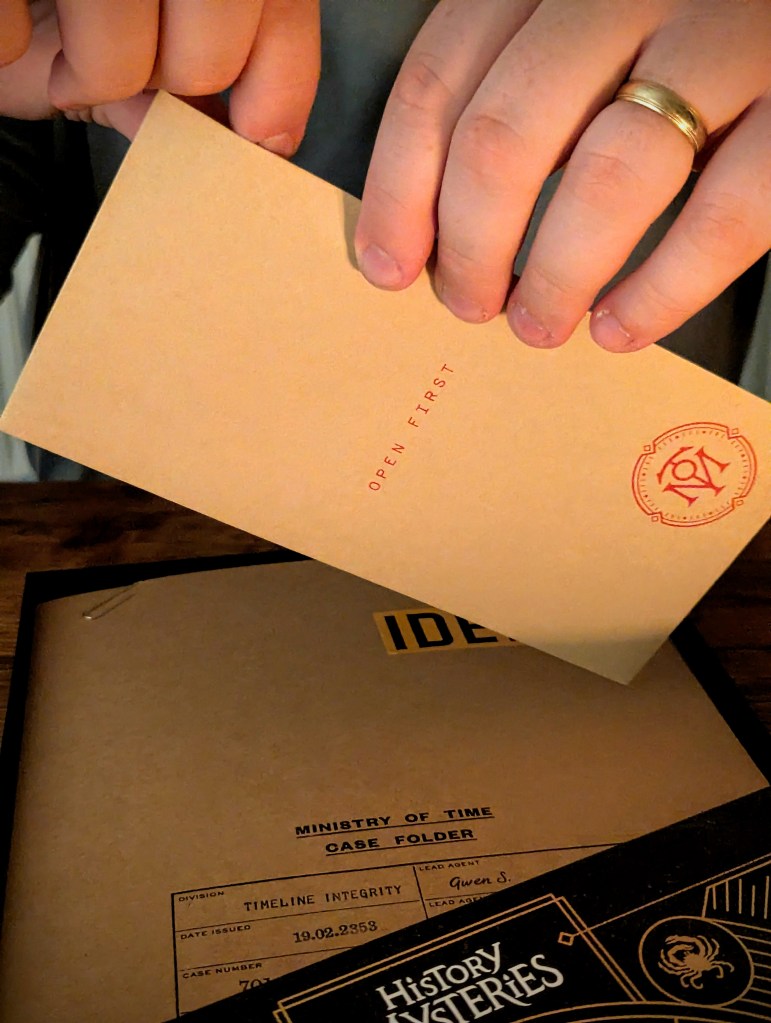
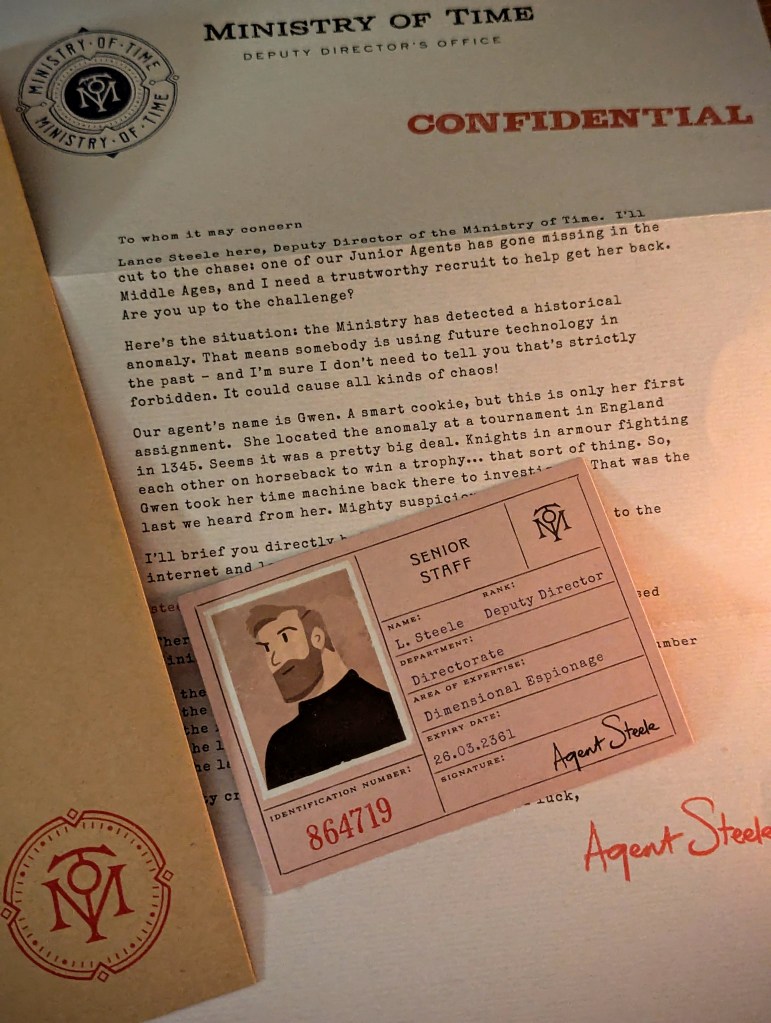
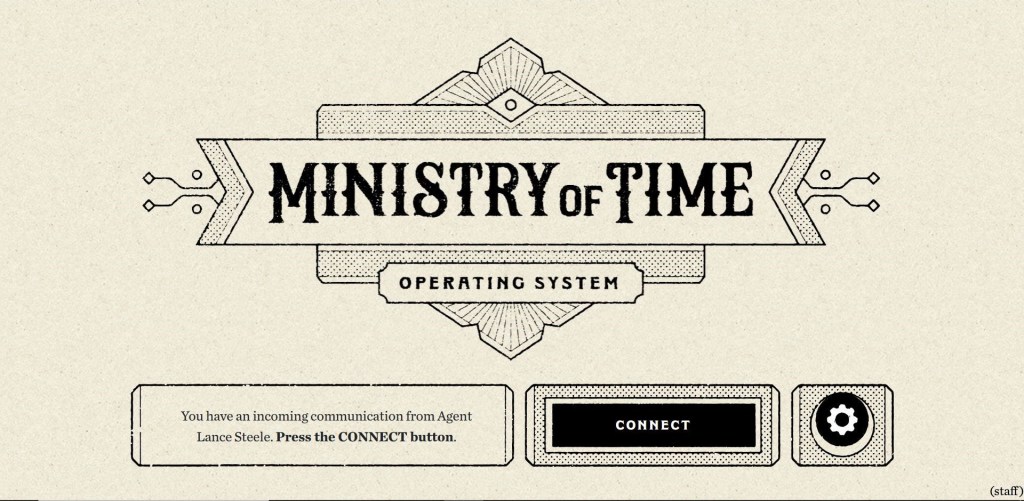
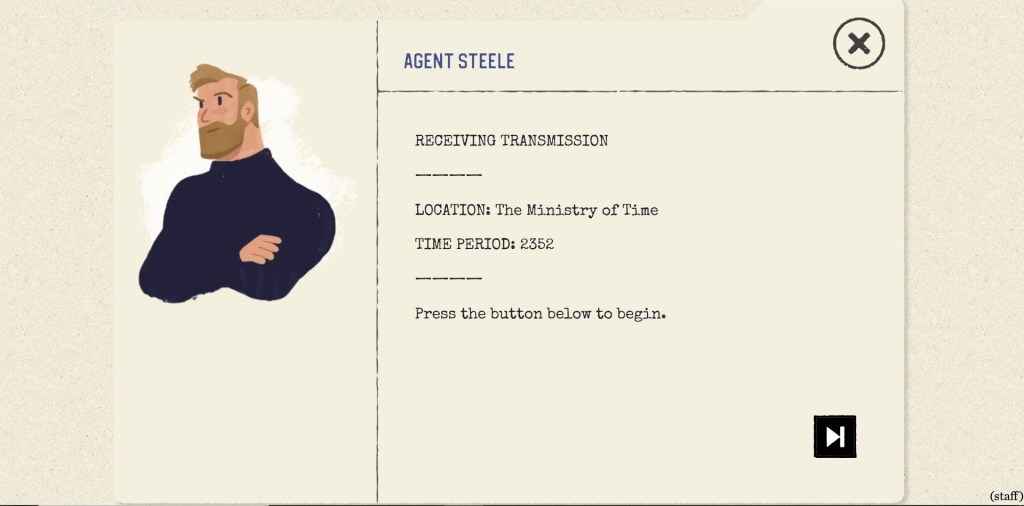
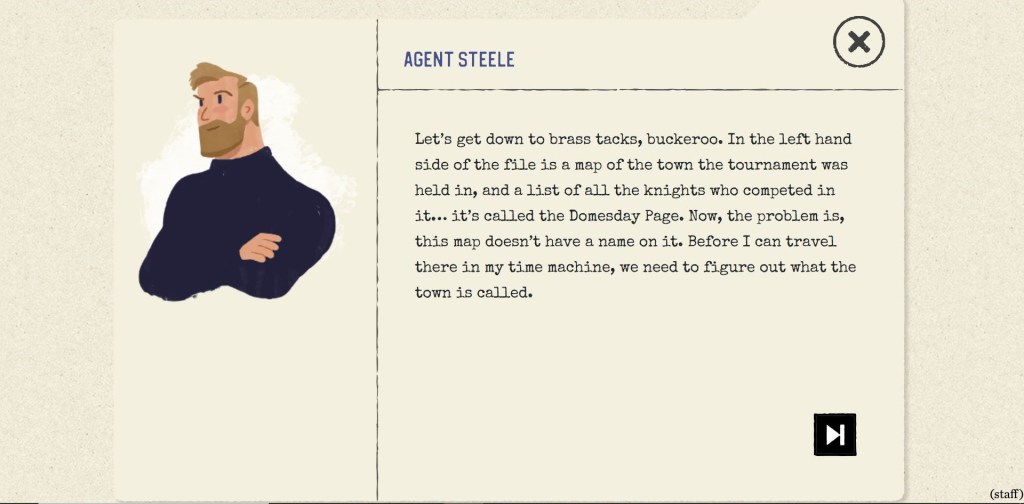
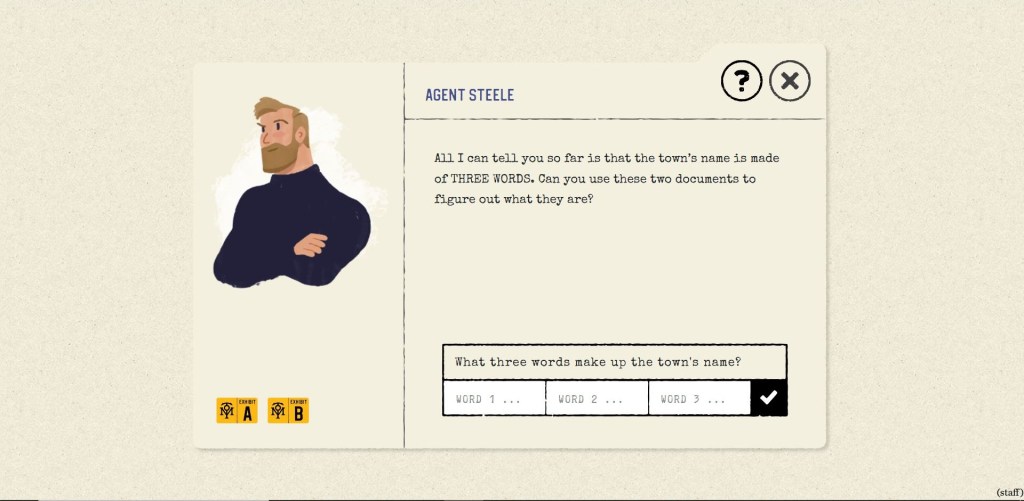
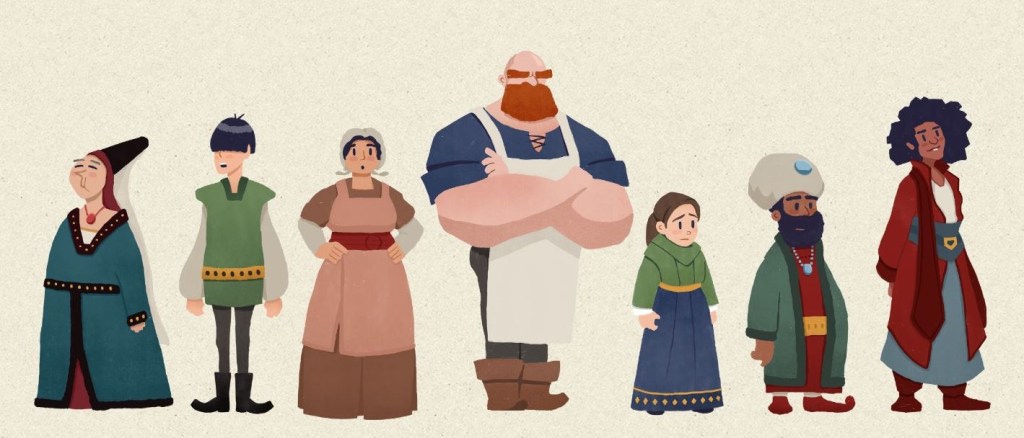
Your first step is to log into MoTOS (the Ministry of Time Operating System) using the URL and log-in details Agent Steele has provided in his letter. Through MoTOS you’ll follow the story, with real voice acting and thematic music. You’ll use Gwen’s evidence file and field notes to solve various puzzles for Agent Steele and the medieval townsfolk, as you try to pin down Gwen’s whereabouts.
Our thoughts
We stumbled across History Mysteries at UKGE this year. We were so thrilled to find an AI-free mystery game (unfortunately a rare breed in the at-home mystery genre) that we bought it straightaway, knowing very little about what the game involved beyond the time period. So when we dove into the Medieval Mishap last week we didn’t know what to expect – and boy were we blown away!
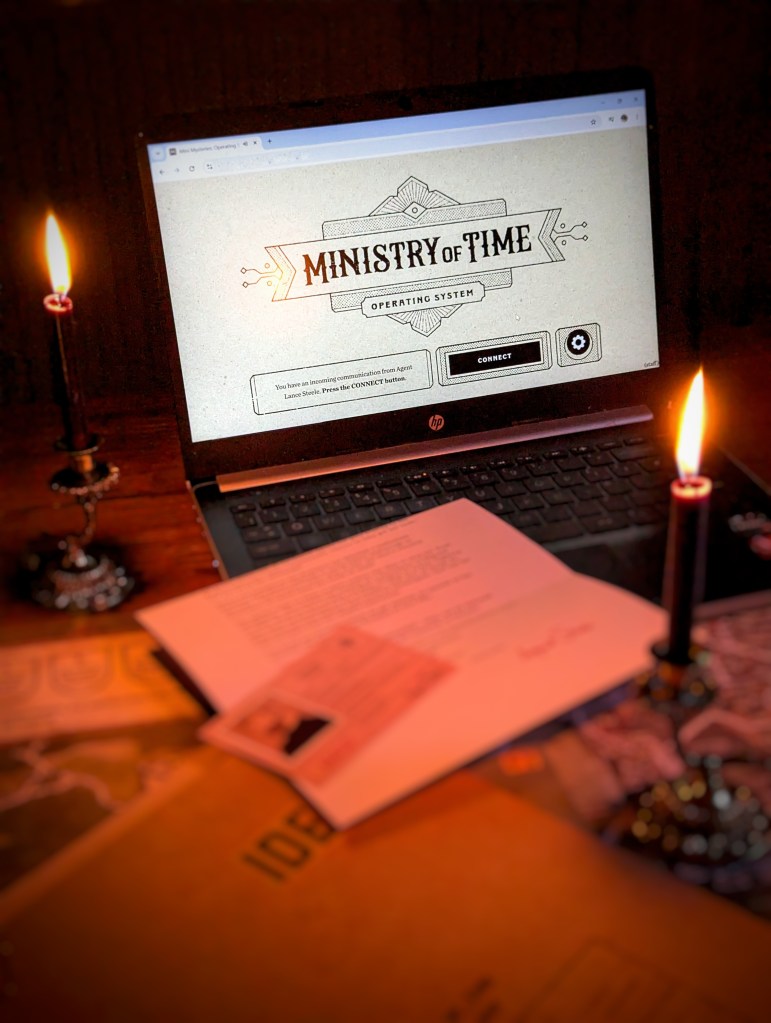
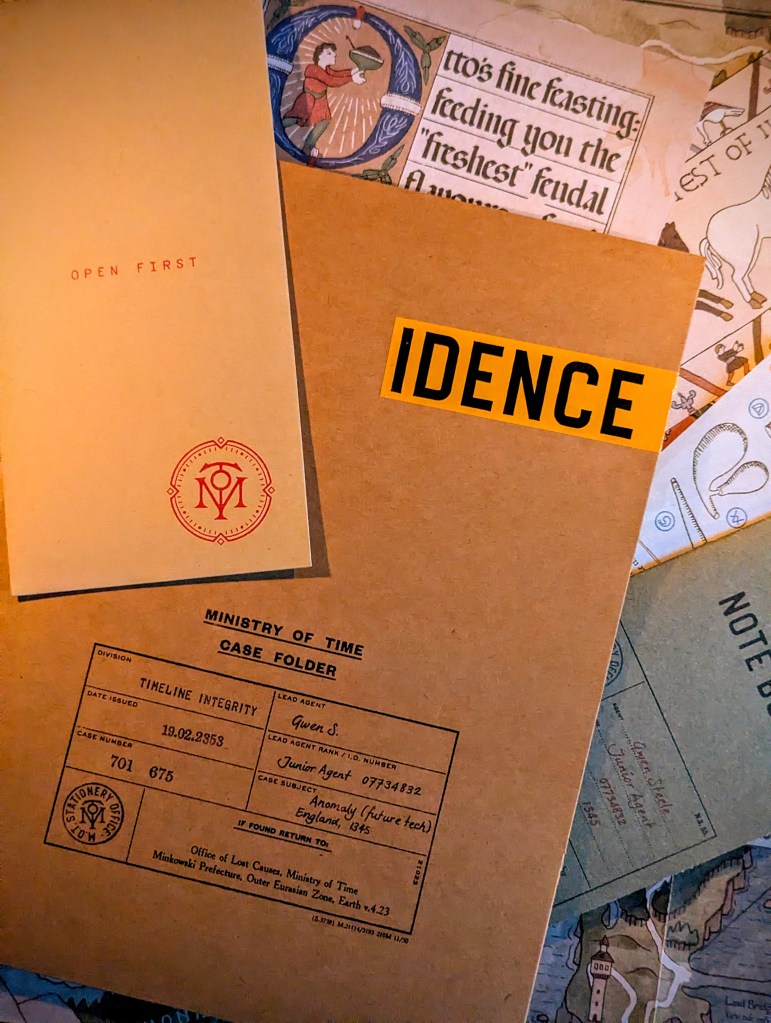
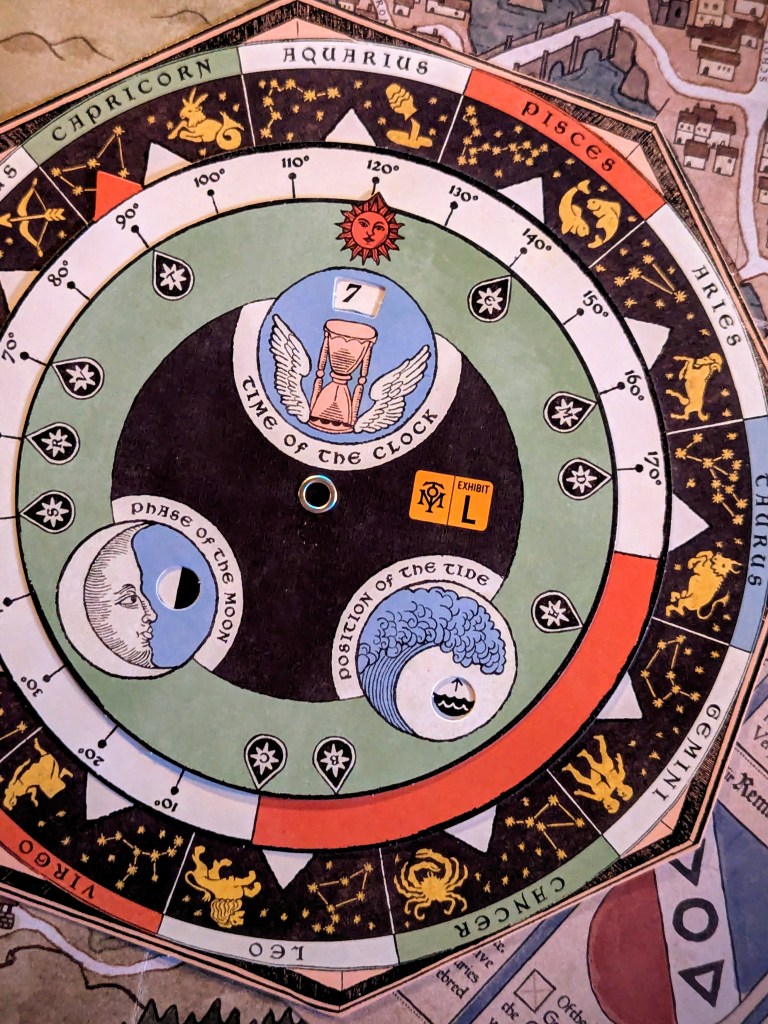
First of all, Medieval Mishap might be the best produced and most immersive at-home mystery/escape game we have ever played! Every aspect feels high quality, from the physical components to the digital interface and audio that led us through the game and story. The ambient medieval music playing throughout was a lovely touch and saved me from finding my own (there’s even a rewarding little medieval jingle when you solve a puzzle correctly!). The voice acting and narration throughout was a welcome addition – it not only added to the immersion but also meant we didn’t have to read everything, allowing us to focus our more on the puzzles rather.
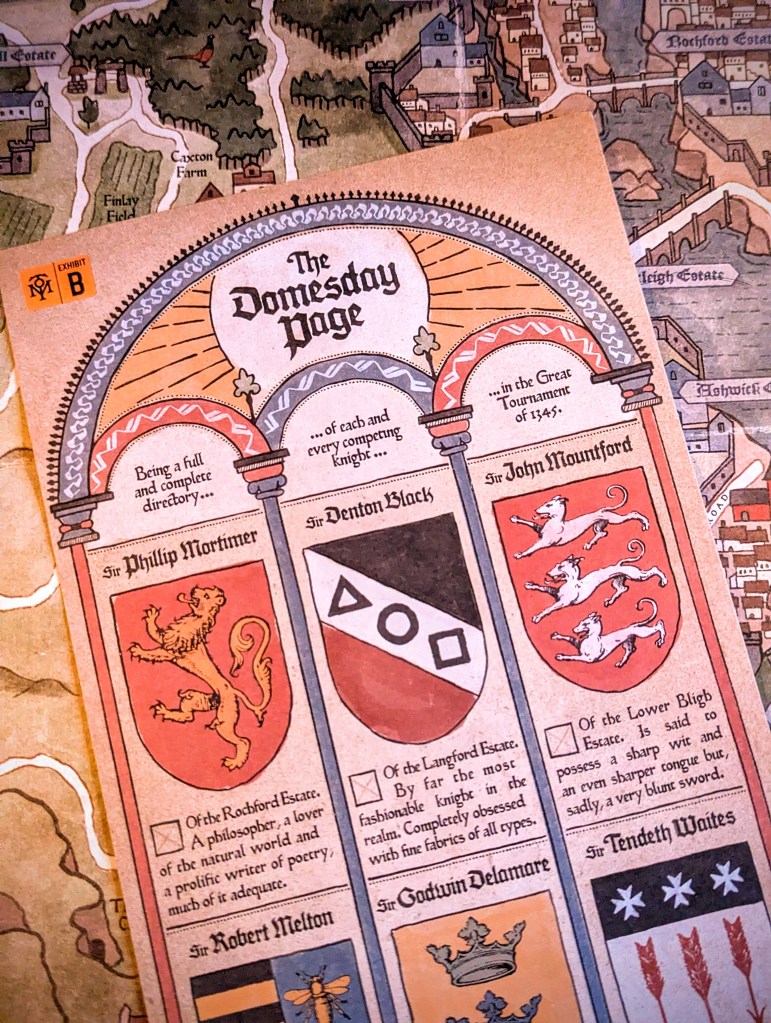
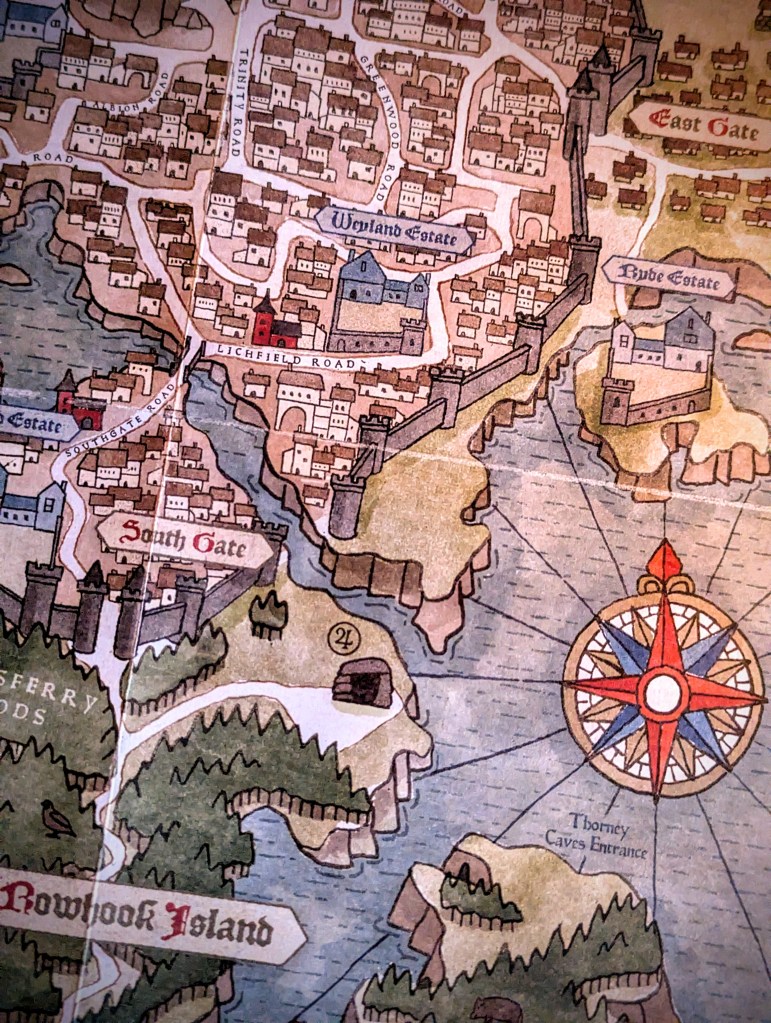
Perhaps even more important than the production, are the puzzles. The Medieval Mishap has numerous brilliant puzzles to solve. They tie in well to the story, and each one felt different from the others. Progressing through the puzzles is fairly linear – although you can decide what order you help the villagers, this doesn’t impact the story in any way. For each puzzle, MoTOS tells you which pieces of ‘real world’ evidence you need. We loved the fact that some of the later puzzles called back to information we had deciphered earlier in the game.
One thing in particular we wanted to highlight is the humour sprinkled throughout – both in the puzzles and the story/voice acting. Again, we didn’t know what we were going into beforehand so this was a welcome surprise, and at several points Agent Steele (or one of the other characters – we won’t spoil who) caught us off guard and made us laugh out loud.
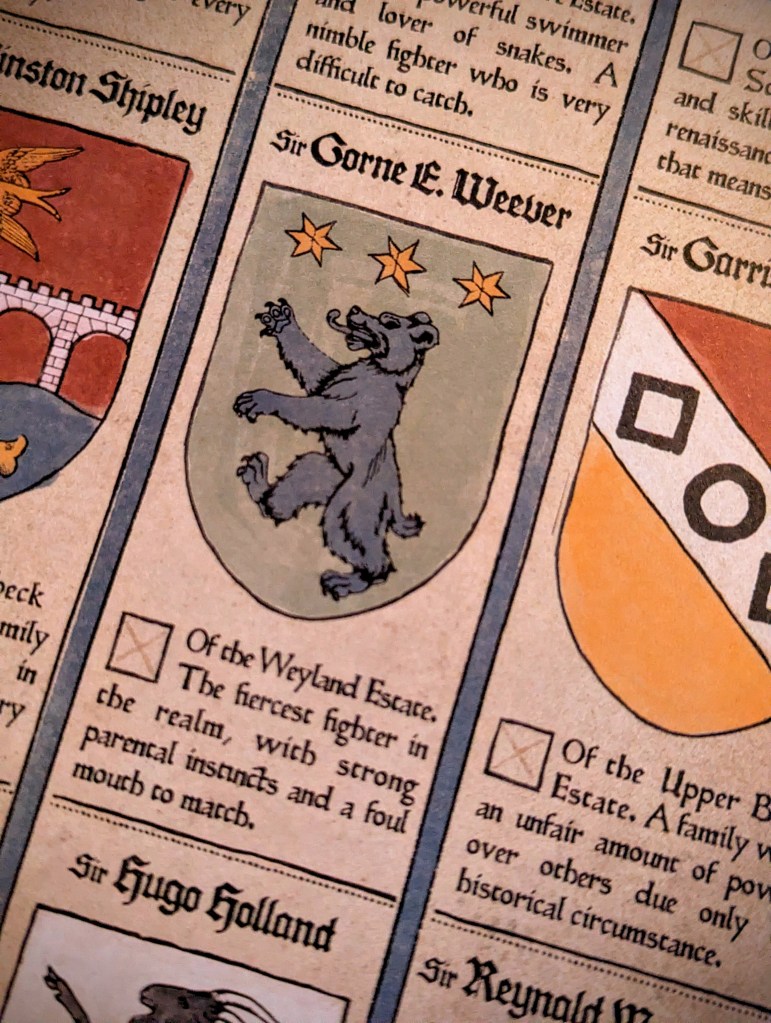
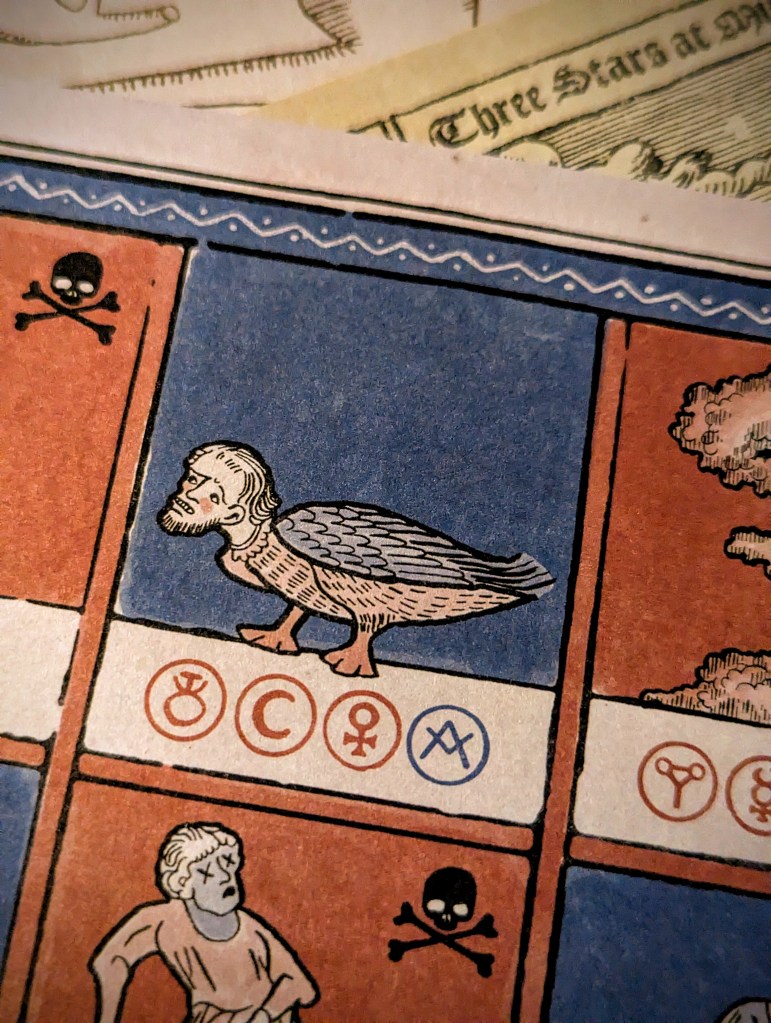
Difficulty wise, History Mysteries call themselves “family-friendly” with “tricky” puzzles, and the Medieval Mishap is tagged medium difficulty. We would agree with that. We (2 adults who regularly play these sorts of games) didn’t find the puzzles too challenging, but they weren’t too easy either – we still had to use our brains and the puzzles (and story!) were very satisfying to work through. So Medieval Mishap can be enjoyed by kids and adults alike.
Medieval Mishap doesn’t have a countdown or timer, but overall it took us just under 2 hours to complete the game – so the upper end of the suggested playtime – and that was without getting stuck. We could have finished it quicker, but we prefer not to race through these types of mystery games (escape-style games are a different matter).
Obviously, like other mystery-at-home games, this is a one-shot adventure. And technically, the puzzles are designed to be written on, which would make the game one-use. However, we managed to play without marking any of the evidence (we noted our workings out in a separate notebook), so it is possible to re-set the game and share it with others.
There are 2 quality-of-life improvements we’d like to see with MoTOS. First, more playback control like the ability to go back to a previous step (I did accidentally double click and skip one bit of narration and couldn’t go back) or to replay the current page audio. Second, the ability to save progress so you can interrupt your game session and return to it at a later time, as 2 hours may be tricky for some to do in one go (especially some kids who may lose focus).
What we like
- Well-designed, engaging and satisfying puzzles
- Enjoyable for kids and adults alike
- High-quality physical components and online app
- Entertaining, immersive and often funny, with great voice acting
- Although not the intention, you can play it without marking anything (making it re-settable)
- No AI!
Considerations
- The online app is integral throughout, so not for people who prefer games without a digital companion.
Verdict
We had the best evening solving the Medieval Mishap – it has fun thematic puzzles and a smooth digital web-app with an engaging story, ambient music, and top notch voice acting. We cannot recommend it enough! If you enjoy at-home mysteries like The Mystery Agency games then you’ll enjoy this, especially if you’re looking for one with a more family-friendly theme.
We’re looking forward to the next case (The Roman Rivalry – medium difficulty again) and would love to see what they can do with a ‘hard’ difficulty rating in the future!


