
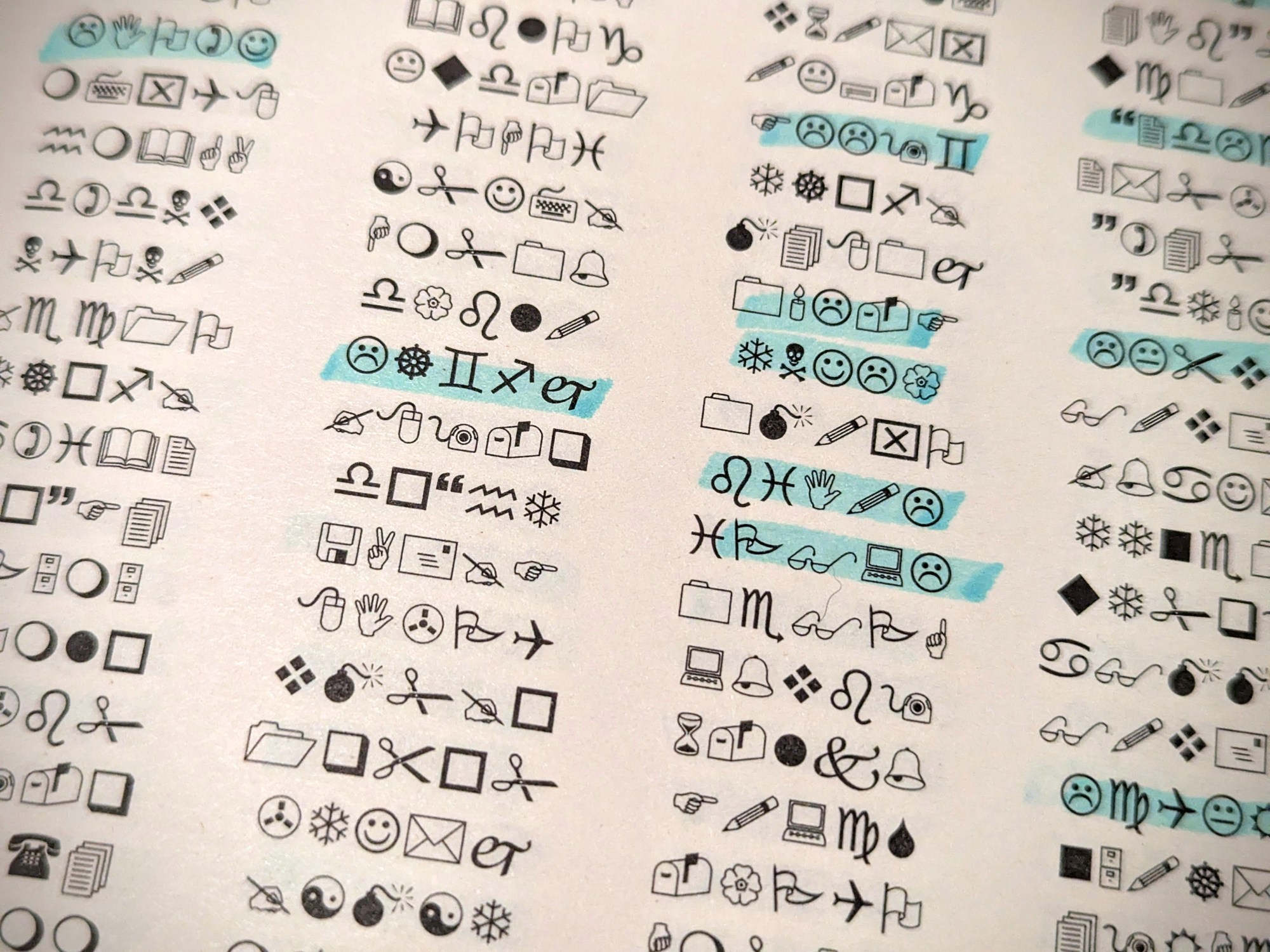
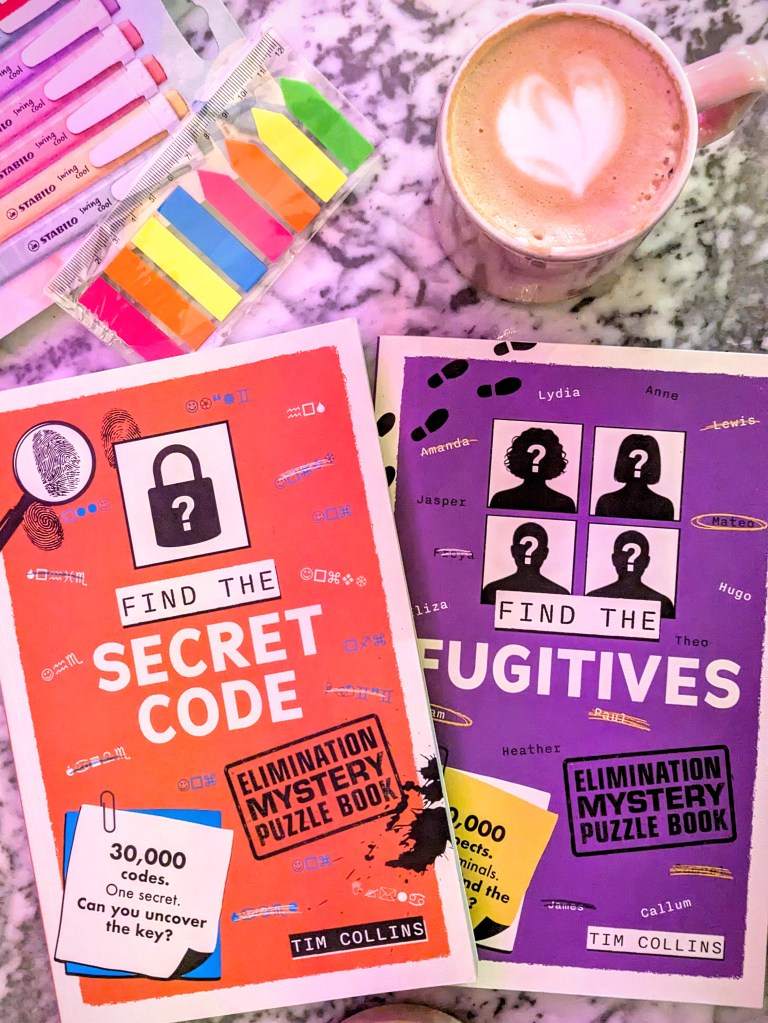
Elimination puzzle books seem to be all the rage at the moment, so today we’re looking at a pair of new Elimination Mystery Puzzle Books: Find the Fugitives and Find the Secret Code, by Tim Collins and O’Mara Books. Let’s see what this new craze is all about.
What are Elimination Mystery Puzzle Books?
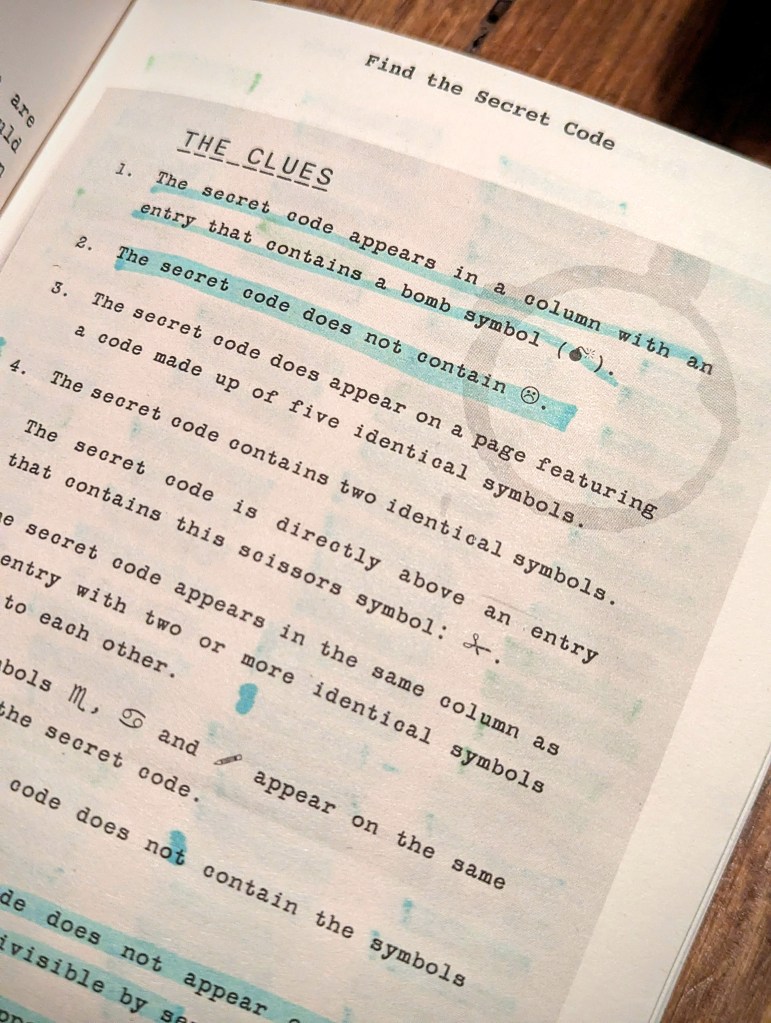
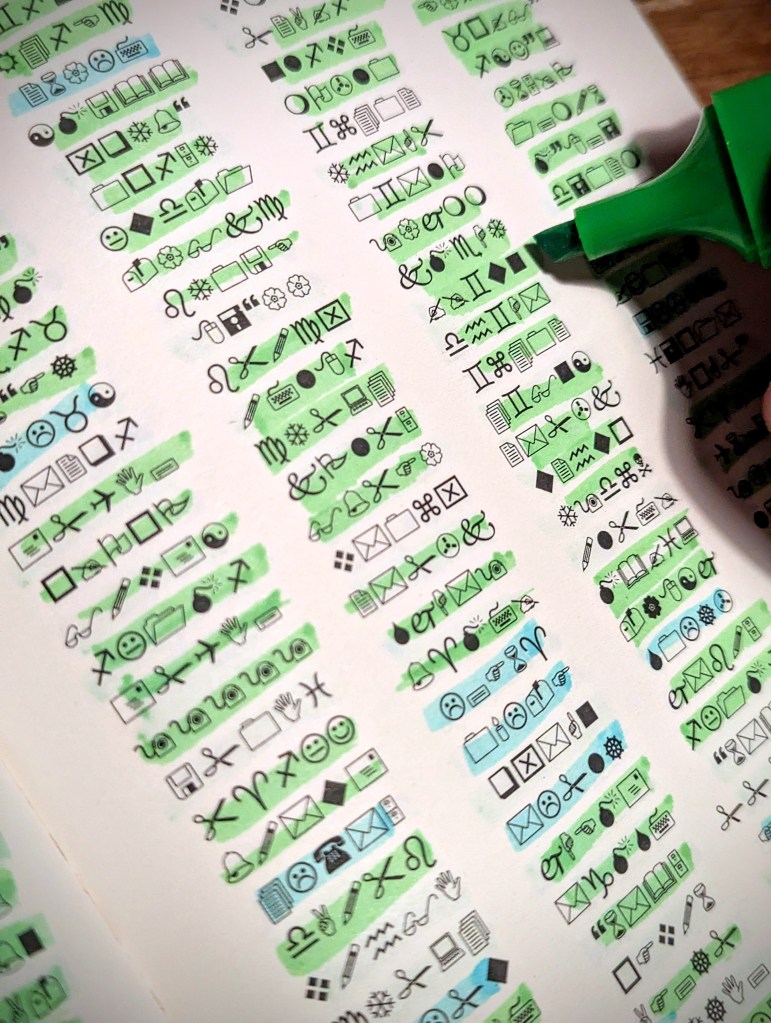
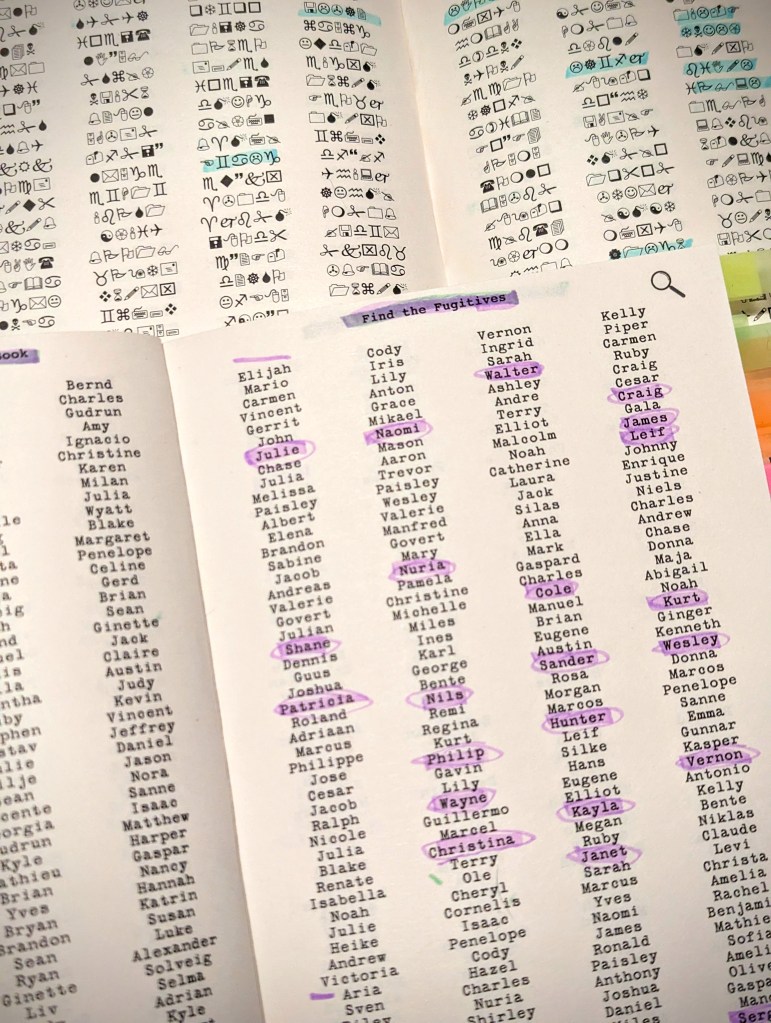
Elimination puzzle books are different to the more traditional offerings you find in most puzzle books (for example: Crosswords, Sudoku, or Logic puzzles). Instead you are presented with a long list of entries (e.g. names, codes, items) and a much shorter list of clues you must use to rule out options from the list until you’ve eliminated all but one entry, which is your solution.
To give you a flavour, a clue could be:
- the name you are looking for will be above a name containing a double letter.
- the secret code you are trying to find will contain two matching symbols, or
- the secret code will not be in a column containing an entry with this symbol ♣.
In Find the Fugitives, you’re tasked with identifying 4 criminals (The Ringleader, The Fraudster, The Killer and The Traitor). It’s split into four different chapters, each with their own set of clues and names.
In contrast, Find the Secret Code contains a single elimination puzzle, with one set of clues to help you narrow down 30,000 entries to find the right security code.
Each Elimination Mystery Puzzle book includes a QR code at the end where you submit your answers alongside your email address, and they will email you to tell you if you cracked the case.
Our thoughts
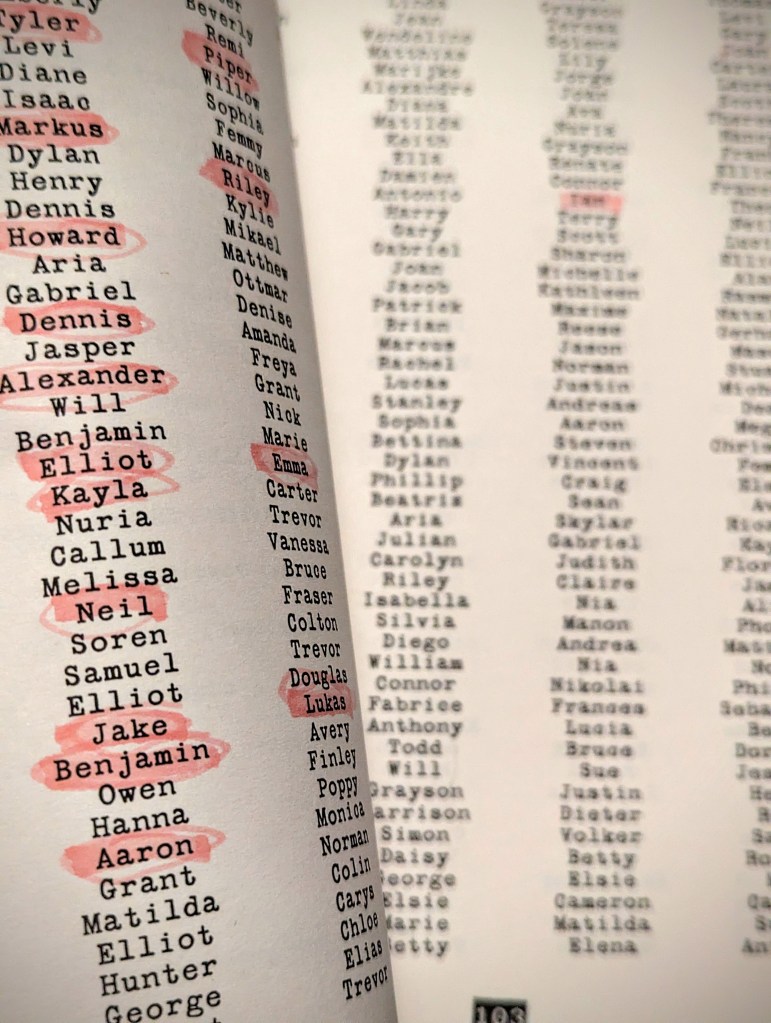
Straightaway it’s worth stating that elimination puzzles might be a little marmite-y. I found it a nice way to wind down in the evening, a mindfulness exercise that didn’t require too much brain power and I could do them alongside watching TV. Whilst Lauren (who acknowledges she struggles with mindfulness activities due to her busy brain) felt they weren’t quite puzzly enough to keep her occupied – although she did like that it was easier to focus on a TV/audiobook while doing them.
How we approached them was different as well. I enjoyed working through the Find the Secret Code over a few weeks when I was in front of the TV, taking my time through the list of clues one at a time, but in an order I thought would eliminate the most entries each time. Lauren on the other hand completed Find the Fugitive in a couple of days, determining which clues would give her the optimum route to finding the fugitive with the fewest passes over the pages, and even finding some clues essentially redundant.
There are no instructions in the books to indicate how you go about identifying the fugitive or the secret code, so you could take a thorough (maybe administrative) approach like I did or a more deductive approach like Lauren. There is deduction but it’s fairly surface level, so ultimately we feel these books lean more towards a mindfulness exercise, especially if you want to get the most out of them.
Fundamentally both books provided a similar experience, but there are two main differences. First, Find the Fugitive uses names (like Dafydd) and Find the Code uses, well, codes (like ♒︎□︎⬥︎♎︎⍓︎). Find the Fugitive is also split into four chapters(40,000 suspects split across them) whereas Find the Secret Code wasn’t (30,000 codes in one go). I think reviewing codes over names is the trickier of the two. The lack of chapters also adds to the challenge – personally I would have preferred chapters in Find the Secret Code as it would have given me a couple of reward moments sooner, as opposed to just a single payoff at the very end.
I was intrigued to see if my dyslexia would impact my experience of these puzzle books, but I think the structure they’ve used, with codes/names in four clear and distinct columns on each page, meant that I didn’t experience the issues I can normally have with tracking across lines or movement/flickering of letters. It could also be because I was looking at codes all the same length and made of symbols, versus names of different lengths. Having looked at some other books in this genre (e.g. the viral The Killer Isn’t Alice), their entries seem to read more like a normal book, so I would expect my dyslexia to show.
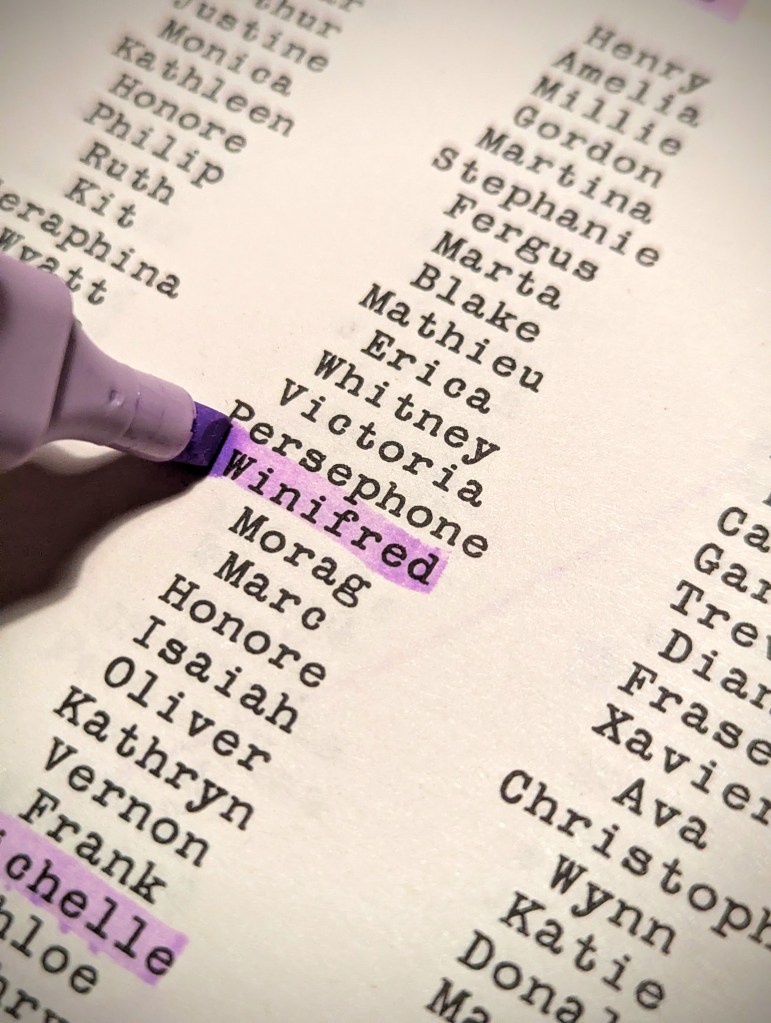
How you choose to mark off entries is up to you, but highlighting is recommended because you can still see the names if needed. O’Mara Books kindly gifted us a set of highlighters and sticky tabs alongside the puzzle books, so we used those. If you intend to cross off each entry individually even if you’re crossing out a full page don’t be surprised if you end up going through multiple highlighters like I did (Lauren was more frugal with her marking).After doing both of our books the gifted set were well and truly empty and I had to get new ones. I will say, the Stabilo Pastel set (from O’Mara) did not bleed through the pages as much as the cheaper set I picked up!
As mentioned above, you need to access the website to enter your solution and they email you to let you know if you got it right – the solution isn’t listed in the back of the book. Overall I think this makes sense, because if you get it wrong you can try again (you haven’t seen the answer). However, I don’t think they need to do it via email as the website could just tell you the same thing, and this may be a barrier for some people
From a production stand point these books have a nice cover design with all the information you would require on them, and the paper is of good quality. As I said early I highlighted every entry and ruled out and with the exception of a few moments I left the pen on the page for too long there was no bleed through to the other side. Which would have been problematic for this type of thing.
Finally we asked the publisher if generative AI had been used in the visual design, and/or puzzle design for these books and we were reassured that no generative AI had been used.
Verdict
Whether these books are for you will come down to whether or not you are after something to scratch a puzzly itch, or more of a light puzzly mindfulness task, because elimination puzzles are definitely the latter.. If you do like the sound of elimination puzzles, then we can recommend either of the Elimination Mystery Puzzle Books by Tim Collins as good quality, genAI-free options. Be sure to bulk up on highlighters, and have fun!
Since we completed these books Tim Collins and O’Mara Books have released a third book in the Elimination Mystery Puzzle Book series, and this time it’s a very merry Find the Christmas Killer, where you’re trying to find which Santa Impersonator is going on the naughty list.


